
It’s the end of the month. The pressure is on. Your Finance Manager is likely juggling three different banking tokens, manually verifying 50 account numbers, and praying the network doesn’t fail halfway through the transfer.
It’s a familiar scene for many Nigerian businesses, but it’s also a dangerous one.
Somewhere in that manual chaos, a formula breaks. A tax deadline is missed. Or a simple transfer error leads to days of reconciliation headaches.
This manual “administrative gauntlet” isn’t just stressful; it is silently leaking money from your business. From the accumulation of bank transfer charges (N53.75 adds up fast) to the penalties for missed tax filings, manual payroll is often a liability masquerading as a cost-saving measure.
Every hour your Finance Manager spends fighting with tax tables is an hour they aren’t spending on strategy or financial planning.
Every late remittance to PenCom risks a compounding 2% penalty that eats into your margins. In 2025, efficient payroll isn’t a luxury; it’s the baseline for financial health.
So, is SaaS payroll worth the monthly commitment? We’ve crunched the numbers so you don’t have to.
This guide breaks down the tangible Return on Investment (ROI) of automating your payroll. We will explore everything from eliminating compliance risks to unlocking “soft savings” that keep your best talent happy and retained.
The “Cost of Doing Nothing”
Before we talk about what you gain, let’s look at what you are currently losing. Many business owners stick to spreadsheets because they seem free.
However, when you factor in bank charges and the time cost of manual processing, that spreadsheet is surprisingly expensive.
1. The “Bank Transfer Tax”
If you are paying employees manually one by one, you are paying a premium for inefficiency.
- Standard NIP transfer charges are N50 plus 7.5% VAT, totaling N53.75 for transactions above N50,000. For a company with 50 employees, that is N2,687.50 per month just in transfer fees.
- Many corporate accounts also charge a Current Account Maintenance (CAM) fee of N1 per mille, which is N1 per N1,000 turnover. If your payroll run is N5,000,000, that is an additional N5,000 gone every month in invisible bank fees.
Automated payroll platforms often utilize bulk disbursement channels that significantly reduce or cap these transaction fees. This instantly puts cash back into your account.
2. The Cost of Corrections
A 2025 report by Duplo on business payments in Nigeria found that manual processes have an error rate of 3 to 5%. This could be an overpayment, a wrong account number, or a missed deduction.
Fixing a single payroll error isn’t a quick 5 minute job. It involves email back and forth with the employee, reversing transactions with the bank, and updating your ledger manually.
Eliminating these errors saves the Finance team hours of reconciliation time. It allows them to focus on strategic financial planning rather than damage control.
4 Tangible Ways SaaS Payroll Pays for Itself
Plugging the leaks is crucial, but the true power of SaaS payroll is how it actively puts resources back into your business. Here are four specific ways automated payroll generates a direct return on investment.
1. Eliminating the 2% Pension Penalty
In Nigeria, regulatory compliance is often the biggest headache for SMEs. The cost of getting it wrong is steep. Under the Pension Reform Act (PRA) 2014, employers must remit pension contributions within 7 days of paying salaries.
Defaulting on this remittance attracts a penalty of not less than 2% of the unpaid contribution for every month the default continues. This isn’t a one-off fine. It compounds monthly and is owed directly to the employee’s Retirement Savings Account (RSA).
SaaS ROI: Automated remittance features ensure your pension checks are sent immediately after payroll is run. This protects you from this compounding debt which can silently grow into millions if left unchecked.
2. The “Salary Savings” of Automation
Let’s talk about the value of time. If your Finance Manager is spending 3 days a month on manual payroll, that is 36 days a year, over a month of work lost to data entry.
A mid-level Finance Manager in a Nigerian SME typically earns between ₦400,000 and ₦600,000 per month. Using a conservative average of ₦500,000, their time costs your business roughly ₦3,125 per hour.
- Manual Payroll: 20 hours x ₦3,125 = ₦62,500 cost per month.
- SaaS Payroll: 2 hours x ₦3,125 = ₦6,250 cost per month.
SaaS ROI: By switching to software, you save the company ₦56,250 per month in productivity alone. This “saved salary” effectively pays for the software subscription twice over.
3. Preventing the High Cost of Employee Turnover
Most ROI guides overlook your most critical asset: your people. In an economy with high inflation, financial stress is a major distraction. When employees can’t make ends meet between paychecks, they become disengaged.
Replacing a single mid-level employee in Nigeria costs between ₦800,000 and ₦1.2 million in recruitment fees, onboarding, and lost productivity.
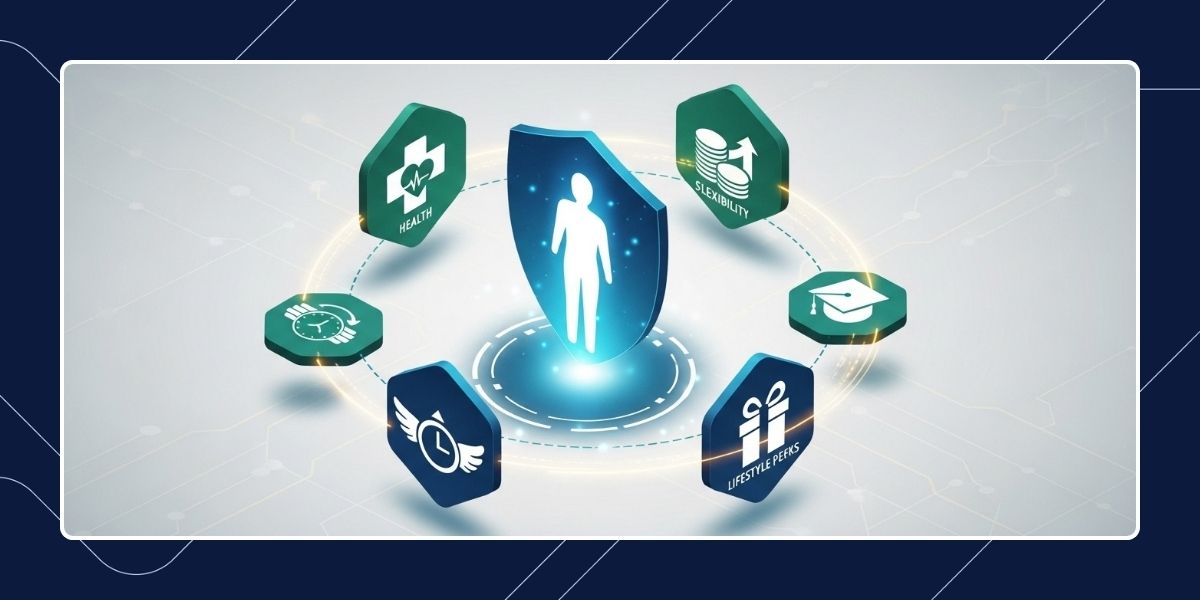
Platforms like PaidHR offer more than just salary payments; they provide a financial safety net.
- Earned Wage Access (EWA): Employees can access a portion of their earned salary before payday to handle emergencies like medical bills or school fees. This isn’t a loan; it’s their own money, available when they need it.
- Loan Marketplace: For larger expenses, PaidHR connects employees with vetted, low-interest lenders directly within the app. This prevents them from falling prey to predatory “loan sharks” or loan apps that harass contacts, keeping their dignity and focus intact.
SaaS ROI: Offering financial wellness tools reduces turnover by alleviating the primary cause of employee exit: financial stress. Keeping your team stable and focused is a massive “soft saving” that protects your business continuity.
4. Cutting the Cost of Tax Consultants
When FIRS or LIRS conducts a tax audit, the common reality for growing Nigerian businesses stuck with manual records is often panic. Business owners frequently rush to hire external tax consultants to reconcile years of scattered spreadsheets.
These consultants often charge fees ranging from hundreds of thousands to millions of Naira just to “clean up” your books before the auditors arrive.
SaaS ROI: With automated software, your historical data is pristine, organized, and accessible instantly. You can generate the exact reports auditors need (like P.A.Y.E. remittances and tax deduction schedules) with a single click. This eliminates the need for expensive clean-up services, turning a potential crisis into a simple administrative task.
The Infrastructure Your Business Deserves
The transition from Excel to SaaS isn’t just a “tech upgrade.” It is a strategic move to plug financial leaks, protect your business from regulatory fines, and empower your team.
In a 2025 market where 81% of Nigerian SMEs are optimistic about growth through digital adoption, sticking to manual processes is a competitive disadvantage.
You have built a resilient business in a tough market. Now, it’s time to give it the infrastructure it deserves, one that is compliant, efficient, and built specifically for your local context.
Ready to stop the leaks? Book a free demo with PaidHR to see how we can turn your payroll from a monthly burden into a strategic asset.